A DVS kit is the AI camera and sensor system that gets a 0-2 star HGV a valid Direct Vision Standard safety permit for Greater London. Since 28 October 2024, Transport for London requires every zero-, one- and two-star HGV over 12 tonnes to run a full Progressive Safe System (PSS) — MOIS front detection, BSIS nearside detection, an in-cab display and audible alerts — before a permit will be issued. We supply and fit TfL-compliant PSS kits nationwide, with permits valid through to 2030.
The Direct Vision Standard (DVS) rates every HGV over 12 tonnes gross vehicle weight from zero to five stars, based on how much a driver can see directly through the cab glass. Since 28 October 2024, TfL's HGV Safety Permit scheme requires a minimum of 3 stars, or a full Progressive Safe System (PSS) fitted to zero-, one- and two-star vehicles, to be granted a permit to operate anywhere in Greater London. Permits are free to apply for, and new PSS-based permits are valid until 28 October 2030 . Operating without a valid permit, or in breach of its conditions, risks a Penalty Charge Notice for every day the vehicle is driven on a relevant London road.
Because the star rating is fixed at the point the vehicle left the production line, aftermarket safety equipment can't change it — but a correctly specified DVS camera system is what lets a 0-2 star HGV qualify for a safety permit anyway. That's what a PSS kit, and DVS compliance in London, actually means in practice for an existing fleet.
Every HGV over 12 tonnes needs a Direct Vision Standard permit to enter Greater London — and is refused without a compliant safe system.
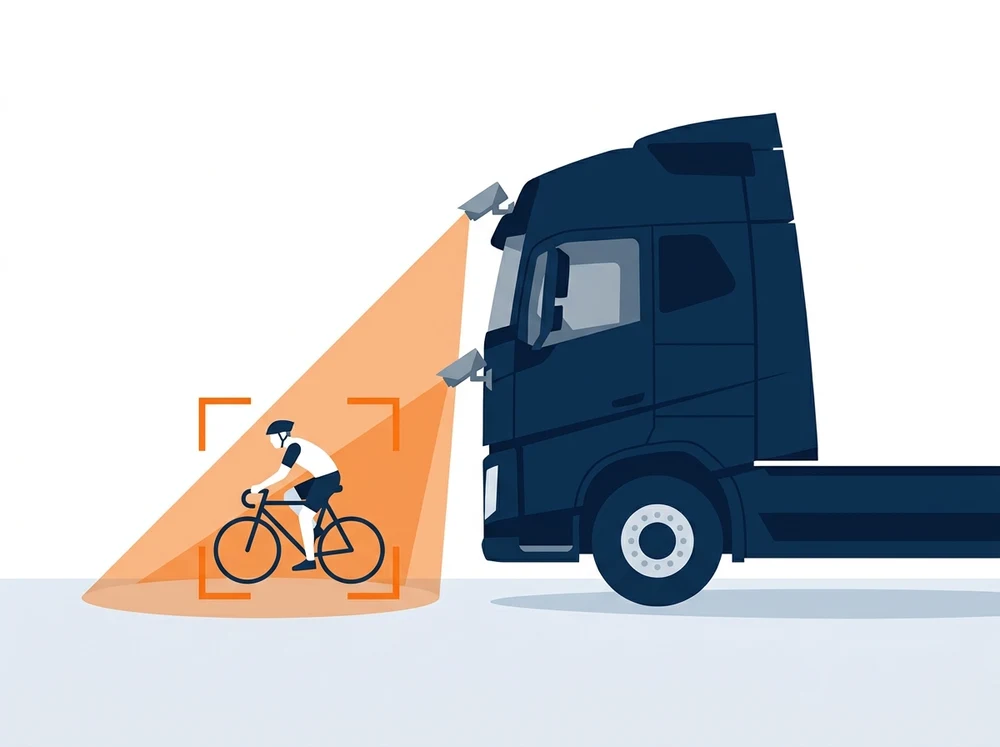
Cyclists and pedestrians in the front and nearside blind spots are the hardest for a driver to see — and the most likely to be hurt.
Mirrors and basic ultrasonic sensors miss moving people and fire constant false alerts that drivers learn to ignore.
TfL tightened the PSS specification for 2024/2025 — kit built to an older standard no longer keeps a fleet compliant.
A complete, TfL-tested Progressive Safe System: AI cameras on the front (MOIS) and nearside (BSIS) detect vulnerable road users and warn the driver with clear visual and audible alerts — telling moving people from street furniture to cut false alarms. Independently verified to the DVS 2024/2025 spec and fitted nationwide by our own engineers.
A compliant PSS kit is a set of AI-driven cameras and sensors, tied together by an in-cab display and audible alert, plus the external signage TfL requires. Every part below is fitted as one system.
The Moving Off Information System covers the frontal blind spot, warning the driver of a vulnerable road user directly ahead before the vehicle moves off.
The Blind Spot Information System watches the nearside down the length of the vehicle, detecting cyclists and pedestrians on the highest-risk side for a left turn.
AI distinguishes a moving road user from parked cars and street furniture, so drivers get a real warning instead of constant nuisance alerts.
A dashboard display shows live camera views, with an A-pillar warning light and in-cab audible alert that escalate with risk.
An audible warning at 80-85 dB alerts pedestrians and cyclists outside the cab whenever the vehicle indicates left, as TfL's PSS spec requires.
A vehicle hazard warning sign, sized to TfL guidance, is fitted where a vulnerable road user is likely to see it — part of the permit's photographic evidence pack.
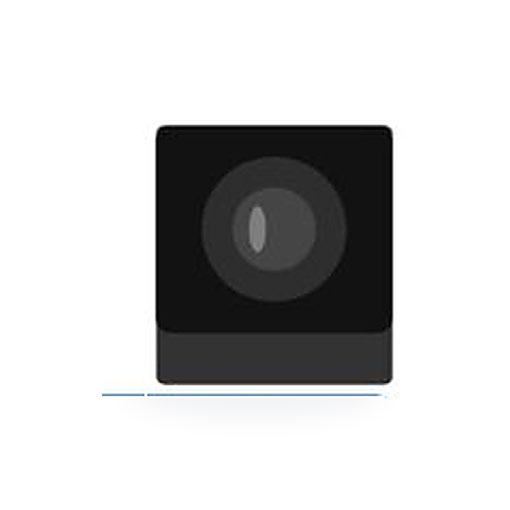
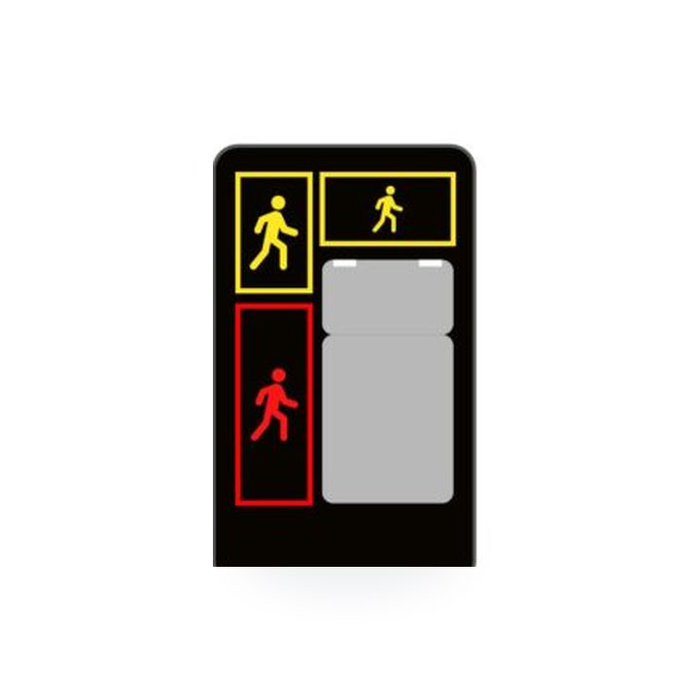
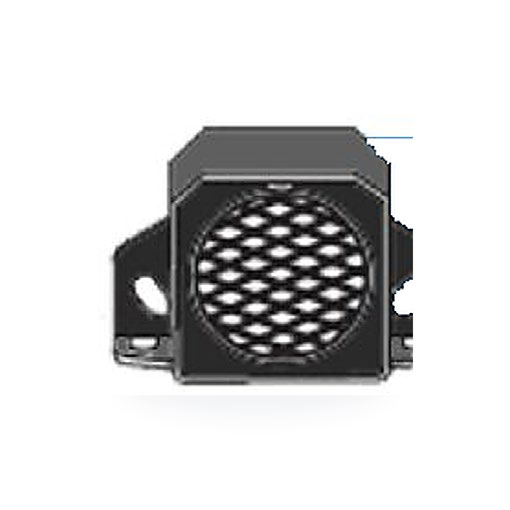
Our own UK engineers fit a complete DVS camera system in around 6 hours per vehicle, working to the TfL 2024/2025 PSS specification — the MOIS front and BSIS nearside cameras, the in-cab display, the audible alert and the external warning sticker all go on as one job, at your depot or ours. Hardware is CE / E-marked and IP69-rated for external use. We photograph every installation to the standard TfL requires for the permit application, so there's no separate step to arrange before you apply. Fleets running multiple depots or mixed vehicle ages can book rollout in batches, keeping HGVs on the road while the rest of the fleet is scheduled through.
DVS/PSS is a legal TfL requirement, not a voluntary accreditation scheme — but the two overlap closely. The Progressive Safe System draws on the same vehicle safety technology specified in the FORS Standard (Bronze and Silver vehicle safety equipment requirements) and the CLOCS Standard, both of which were updated alongside the 2024 PSS changes to keep them aligned. In practice that means a FORS camera kit specified to current Silver-level vehicle safety equipment will typically already meet, or come very close to meeting, the PSS requirement for a DVS permit — and a DVS/PSS kit fitted to TfL's spec will generally satisfy FORS and CLOCS vehicle safety equipment checks too. We spec and fit kit that's built around the PSS spec first, so it holds up against all three.
Any HGV over 12 tonnes gross vehicle weight that's rated zero, one or two stars under the Direct Vision Standard and needs to operate in Greater London. Vehicles rated 3 stars or above can get a permit without a PSS fitted, based on their manufactured field of view alone.
A MOIS front-detection camera, a BSIS nearside-detection camera and sensor, an in-cab display with audible alert, an external left-turn warning speaker, and the external warning signage TfL specifies — fitted and configured as one system.
New permits granted on the basis of a fitted PSS run until 28 October 2030 . Vehicles rated 3-5 stars get a 10-year permit from their issue date.
Largely, yes. PSS technology mirrors the vehicle safety equipment specified in FORS Bronze/Silver and the CLOCS Standard, both revised alongside the 2024 PSS changes, so a kit fitted to the PSS spec will generally also meet FORS and CLOCS vehicle safety equipment checks.
Around 6 hours per vehicle with our own engineers. We photograph the finished installation to TfL's required standard so you have the evidence pack ready when you submit your HGV Safety Permit application.
A DVS/PSS kit covers the vehicle's legal blind-spot requirement. For general incident evidence and ADAS alerts, see our AI dashcams; for full 360° coverage on larger vehicles, see MDR/DVR multi-camera systems; and to bring DVS events together with tracking and driver data in one place, see video telematics.
Tell us your vehicle mix and depots — we'll return one itemised quote for hardware, TfL-standard installation and support, and the evidence pack for your permit application.

 English
 English (US)
 English (AU)
 English (NZ)
 English (SA)
 Français
 Français (CA)
 Italiano
 Deutsch
 Español
 Nederlands
 Português
 Polski
 العربية
 עברית
עברית Svenska
 Dansk
Dansk Suomi
Suomi Norsk
Norsk