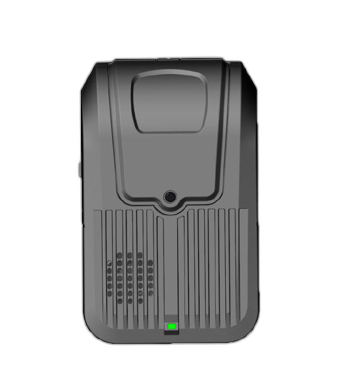
An MDVR is the vehicle DVR at the centre of a multi camera vehicle system: one recording unit taking synchronised feeds from up to 12 cameras around a van, HGV, plant machine or PSV, storing footage on a lockable SSD or HDD and streaming live over 4G. Where a single dashcam covers the road ahead, a 4G MDVR gives full-vehicle coverage — front, sides, rear, reversing and load area — with remote access to any camera, in one fleet camera system.
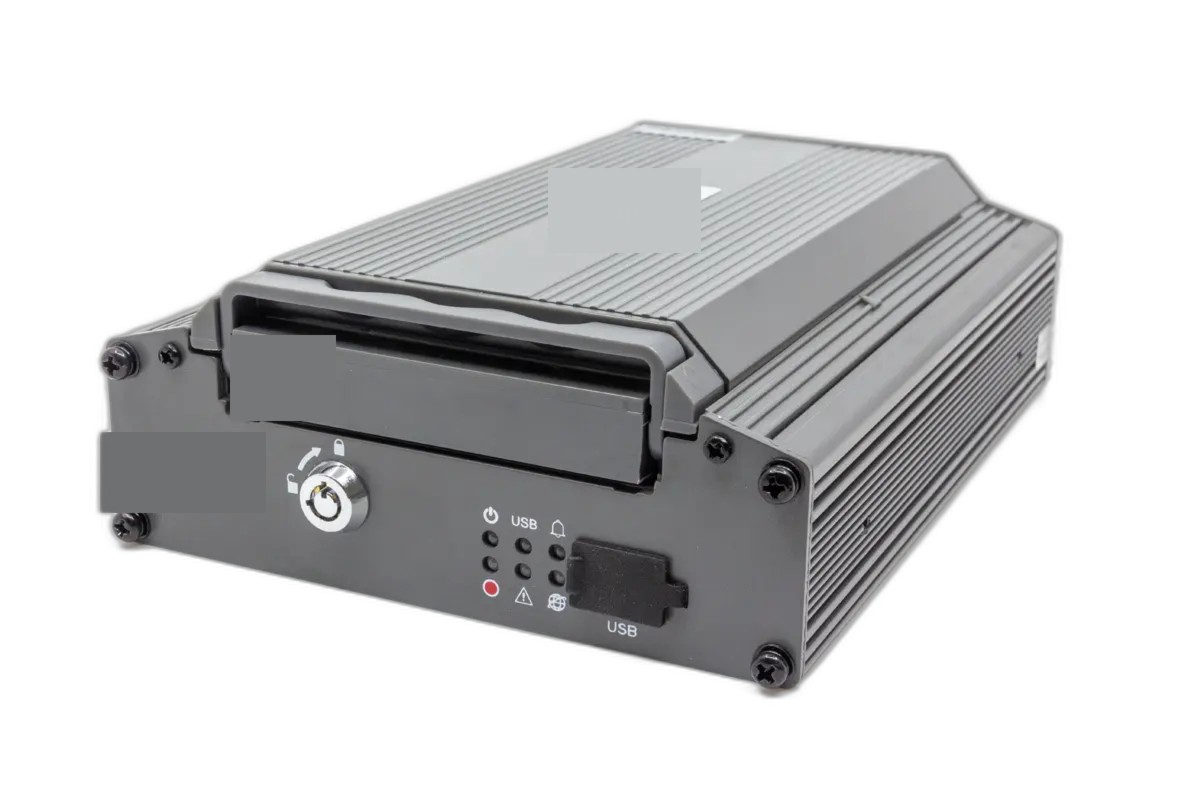
A Mobile Digital Video Recorder (MDVR) is a ruggedised, vehicle-mounted recorder that takes video from several cameras at once — typically front, nearside, offside, rear and interior/load — and writes it to one synchronised timeline. It's the hardware that turns a set of individual cameras into a genuine multi camera vehicle system rather than several unconnected dashcams. Because the unit carries its own GPS, Wi-Fi and 4G modem, footage isn't limited to the SD card: any channel can be streamed live, and any clip pulled remotely without touching the vehicle.
Crash-for-cash and 50/50 settlements punish fleets that can't prove what happened.
A single dashcam can't see the nearside, load area or reversing path of an HGV or PSV.
Pulling an SD card from a depot vehicle to check one incident wastes hours and downtime.
Cyclists and pedestrians in blind spots create urban risk and DVS/CLOCS obligations.
Multi-camera MDVR systems that see what happened and why: up to 12 channels of synchronised recording around the vehicle, lockable local storage that survives a collision, and 4G live streaming or on-demand playback that reaches your desk in minutes — turning every incident from a dispute into a fact.
Every MDVR is specified around three things: how many camera channels it takes, how much footage it can hold, and how quickly you can get at that footage remotely. Vision Telematics fits systems across that whole range, from a compact 5-channel unit to a 12-channel heavy-duty recorder.
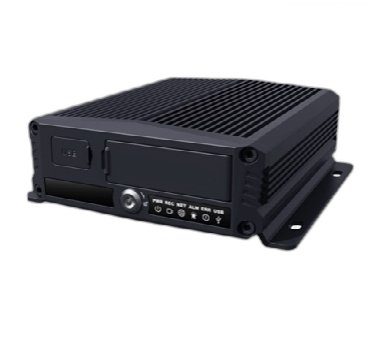
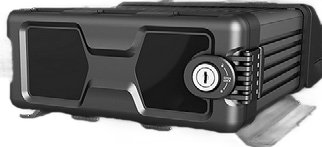
Storage: footage is written to a lockable SSD or HDD sized to the fleet — 1–2TB for cars and vans, up to 10TB on the heavy-duty 12-channel unit — usually mirrored to SD as a second copy. 4G live access: every connected MDVR can stream a chosen camera live or accept an on-demand clip request from the video telematics platform, rather than a card reader.
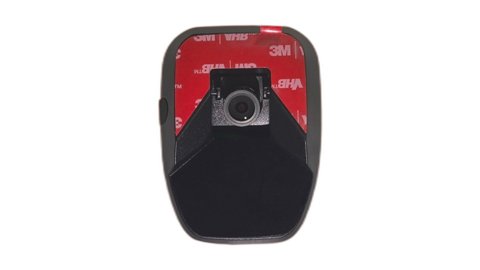
An MDVR is only as good as the cameras feeding it. Vision Telematics specs each position to the job it needs to do — forward ADAS, nearside blind-spot, rear reversing, and interior/load monitoring — all wired back into the same recorder.
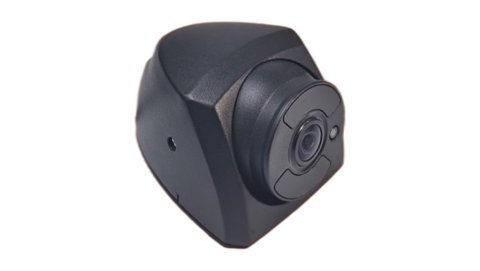
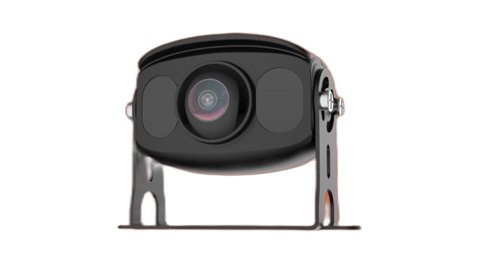
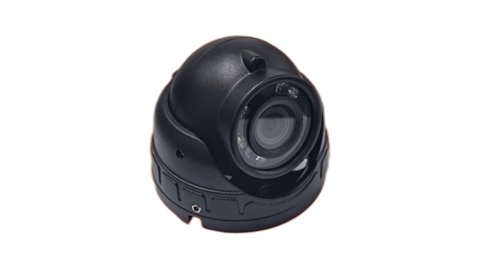
For cars, vans and light fleets that just need a single road-facing or dual-lens unit rather than a full multi camera vehicle system, see AI dashcams. For DVS-ready blind-spot camera kits for HGVs operating in Greater London, see AI Camera DVS.
Wherever a vehicle needs more than one camera view — a PSV saloon, a legally mandated HGV nearside view, or a tipper reversing on site — a multi camera vehicle system built around a 4G MDVR gives one recorder, one platform, one evidence trail.
An MDVR (Mobile Digital Video Recorder) is a vehicle-fitted recording unit that takes synchronised feeds from several cameras — front, side, rear and interior — storing footage locally and streaming live or on-demand over 4G. It's the recorder behind any multi camera vehicle system.
It depends on the unit: compact vehicle DVR systems handle 4–6 channels for vans and cars, while heavy-duty MDVRs support up to 12 channels for HGVs, PSVs and plant, covering front, both sides, rear, reversing and interior/load in one system.
Storage is sized to the fleet: 1–2TB lockable SSD is typical for cars and vans, rising to up to 10TB HDD on 12-channel heavy-duty units, usually mirrored to SD. Retention length depends on channel count, resolution and drive size — ask us for a figure against your configuration.
Yes — 4G-connected MDVR systems support live streaming from any channel plus on-demand requests for historical clips, both from the fleet office via the video telematics platform, without physically accessing the vehicle.
A dashcam is typically one or two cameras recording to an SD card. An MDVR is a multi-channel recorder built for full-vehicle coverage — up to 12 cameras, lockable local storage and 4G live access — the step up fleets take when a single dashcam view isn’t enough.
The UK records five railway bridge strikes every day, at an average cost of around £13,000 — almost all caused by a vehicle whose driver believed they would fit.
Talk to our team about MDVR & multi-camera systems for your fleet — channels, storage, connectivity, installation and support from one supplier. Call 0800 020 9339 or send us your fleet mix.

 English
 English (US)
 English (AU)
 English (NZ)
 English (SA)
 Français
 Français (CA)
 Italiano
 Deutsch
 Español
 Nederlands
 Português
 Polski
 العربية
 עברית
עברית Svenska
 Dansk
Dansk Suomi
Suomi Norsk
Norsk