A standard dashcam records what happened. An AI dashcam sees it coming: on-device ADAS warns of collisions and lane drift in real time, optional driver-facing AI catches fatigue and distraction, and the moment an incident occurs the clip uploads over 4G with speed, location and G-force attached. Fitted across your fleet in minutes per vehicle, managed in one platform.
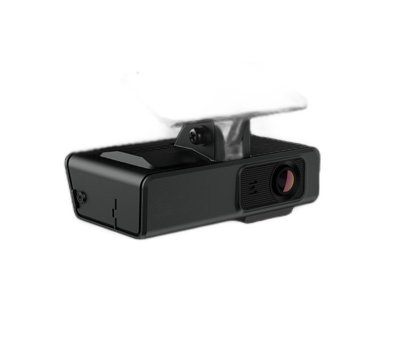
An AI dashcam is a connected vehicle camera that analyses video as it records. Road-facing AI (ADAS) detects forward-collision risk, lane departure, close following and pedestrians, warning the driver in the moment. Driver-facing AI (on dual-lens models) detects fatigue, phone use, smoking and distraction. Because the camera has 4G, GPS and Wi-Fi built in, event clips upload automatically to a fleet platform instead of sitting on an SD card.
Without evidence, even a blameless driver can lose — premiums and excess both rise.
Fraudsters stage collisions to trigger bogus injury and repair claims — and without clear footage, insurers pay out.
Footage stuck on an SD card is often overwritten or days away — so the evidence you need has gone by the time you ask for it.
Fitting hundreds of cars and vans must be fast, low-cost and disruption-free.
A dashcam range that scales from a simple road-facing camera to AI dual-lens and 4-channel systems: ADAS warns the driver in the moment, optional driver-facing AI detects distraction, and 4G uploads incident clips to the platform automatically — with OBD plug-in power options that install in minutes across a whole fleet.
Lane departure, forward collision and headway warnings coach the driver in real time.
Distraction, phone use, smoking, vaping and fatigue detection on dual-lens models.
Incident footage uploads automatically — no SD-card collection, ever.
Speed, location and G-force context attached to every event.
Low-power monitoring guards the vehicle while it's parked.
OBD power and windscreen mounting make fleet rollout fast and clean.
Road-facing for rapid rollout, dual-lens for driver-safety programmes, or a 4-channel unit for near-MDVR coverage without the MDVR install. When HGVs need more, step up to MDR/DVR multi-camera systems.
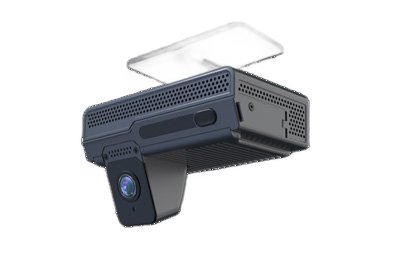
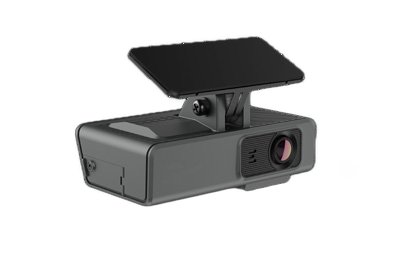
Distraction and fatigue alerts intervene before the incident; event clips make coaching conversations short, fair and factual.
When a claim lands, footage plus telematics data is the difference between proving your driver blameless and paying a 50/50 settlement.
Automatic event upload means first notification of loss in minutes rather than days — claims are settled before hire-car and injury costs inflate, and a documented safety programme strengthens renewal negotiations.
One camera policy from pool cars to 4-channel vans, with a clear upgrade path into multi-camera and 360° systems as the fleet’s risk profile demands.
AI dashcam pricing is per vehicle and depends on configuration: single or dual lens, extra channels, AI options, connectivity and whether you self-fit (OBD) or want professional installation. Tell us your fleet mix and we’ll return one itemised quote — hardware, installation, platform and support, nothing hidden. Or call 0800 020 9339 to talk configurations first.
We’re not a camera webshop: we spec the right AI dashcam per vehicle, install nationwide, and support the whole estate in one platform with your tracking and asset data. The hub for our full camera range is video telematics; for DVS compliance in London, see DVS-ready blind-spot camera kits.
An AI dashcam is a connected vehicle camera that analyses footage in real time — warning drivers of collision and lane-departure risk (ADAS), optionally detecting fatigue and phone use, and automatically uploading incident clips over 4G to a fleet platform.
A normal dashcam passively records to an SD card. An AI dashcam actively prevents incidents with in-cab alerts, and its 4G connection uploads event footage automatically with speed and location data — no card retrieval.
Dual-lens models include a driver-facing camera whose AI detects fatigue, distraction, phone use and smoking, alerting the driver in-cab. Road-facing-only models are available where policy prefers no in-cab camera.
OBD-powered models install in minutes per vehicle with windscreen mounting, so whole-fleet rollout is measured in days, not weeks. Hardwired professional installation is available where preferred.
Footage-backed claims defence and a demonstrable driver-safety programme are both viewed favourably by insurers; outcomes vary by insurer and fleet.
Yes — 4G models support live remote view and on-demand historical footage requests from the platform, alongside automatic event uploads.
Tell us your fleet mix — single lens to 4-channel — and we’ll return one itemised quote for hardware, installation, platform and support.

 English
 English (US)
 English (AU)
 English (NZ)
 English (SA)
 Français
 Français (CA)
 Italiano
 Deutsch
 Español
 Nederlands
 Português
 Polski
 العربية
 עברית
עברית Svenska
 Dansk
Dansk Suomi
Suomi Norsk
Norsk