
 English
 English (US)
 English (AU)
 English (NZ)
 English (SA)
 Français
 Français (CA)
 Italiano
 Deutsch
 Español
 Nederlands
 Português
 Polski
 العربية
 עברית
עברית Svenska
 Dansk
Dansk Suomi
Suomi Norsk
Norsk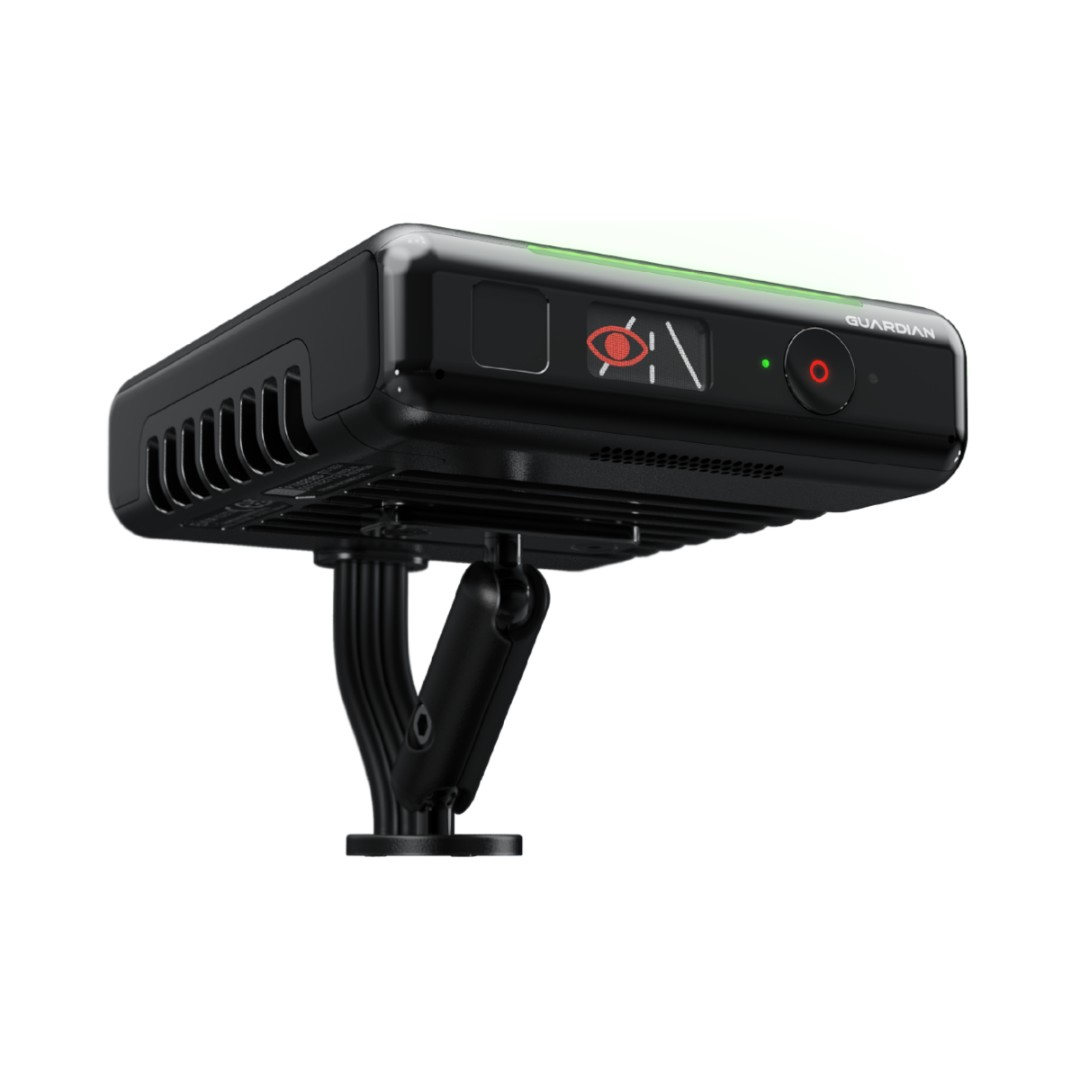
Ask most fleet managers to name their biggest road risks and they'll say speeding, mobile phones, maybe drink and drugs. Fatigue rarely tops the list — because unlike alcohol, there's no roadside test for tiredness, no easy statistic on the incident report. And that's exactly why it's so dangerous.
Police data shows fatigue contributes to around 4% of fatal road crashes and 2% of all collisions in Britain, but road safety charity Brake is clear that the true figure is far higher because tiredness is so hard to detect after the event. Worldwide research puts the real contribution of fatigue at between 10% and 20% of all road crashes — and research cited by RoSPA suggests fatigue may be a factor in up to a quarter of fatal and serious collisions.
Two more numbers should concentrate the mind of anyone running commercial vehicles:
- Around 40% of sleep-related collisions involve commercial vehicle drivers — long hours, early starts, monotonous motorway miles and shift patterns make professional drivers the highest-risk group on the road.
- Fatigue crashes are around 50% more likely to result in death or serious injury, because a driver who has fallen asleep doesn't brake or swerve. These are full-speed impacts.
An AA Charitable Trust survey of more than 20,000 drivers found that 13% — one in eight — admitted to having fallen asleep at the wheel, and 37% said they had been so tired they feared they wouldn't stay awake. If your drivers are honest, some of them are in those numbers.
Why fatigue defeats traditional fleet management
Tachographs and driving-hours rules manage time, not tiredness. A driver can be fully compliant with hours regulations and still be dangerously fatigued after a poor night's sleep, a second job, a new baby or an undiagnosed sleep disorder such as sleep apnoea — which is significantly over-represented among professional drivers.
Microsleeps make it worse. A driver "nodding off" for just four seconds at 56mph travels the length of a football pitch with their eyes shut — and most drivers can't reliably judge their own drowsiness until it's too late. Brake's research is blunt: driving tired can be as dangerous as driving drunk.
Real-time fatigue detection: intervening in the seconds that matter
This is where AI driver monitoring changes everything. In-cab fatigue and distraction detection technology uses a driver-facing sensor to track eye closure, gaze direction, head position and blink patterns — the physiological signatures of drowsiness and distraction — and intervenes at the moment of risk:
- Instant in-cab alerts. Audio and seat-vibration warnings rouse the driver at the first microsleep or extended glance away from the road — not after the lane departure.
- Real-time escalation. Fatigue events can be flagged immediately to your operations team, enabling a welfare call, a mandated break or a driver swap before the incident happens, with event footage providing context.
- Pattern analysis. Repeated fatigue events by driver, route, shift pattern or time of day reveal systemic problems — the 4am trunk run, the double-shifted depot — so you can fix rosters, not just symptoms.
- A defensible duty of care. With around one in three UK road deaths involving someone driving for work, HSE and corporate manslaughter exposure is real. Demonstrable, technology-backed fatigue management is rapidly becoming the benchmark for what a responsible operator looks like.
Building a fatigue-safe operation
Technology works best inside a wider fatigue risk management programme: realistic scheduling, education on sleep health, a no-blame culture that lets drivers declare tiredness, and journey planning that designs out the highest-risk windows (the early hours of the morning, and the 2pm–4pm post-lunch dip identified in sleep research).
How Vision Telematics can help
Vision Telematics offers a tiered approach to fatigue risk: AI dashcams with built-in drowsiness and distraction alerts for vans and mixed fleets, through to a premium enterprise-grade driver fatigue detection system — proven in mining, logistics and bus operations worldwide — for HGV and high-risk operations, with 24/7 event monitoring options. All integrated with our Find My platform for reporting, coaching and audit trails.
Sources: Brake, the road safety charity; RoSPA Driver Fatigue and Road Collisions factsheet (2024); AA Charitable Trust; Department for Transport.