
 English
 English (US)
 English (AU)
 English (NZ)
 English (SA)
 Français
 Français (CA)
 Italiano
 Deutsch
 Español
 Nederlands
 Português
 Polski
 العربية
 עברית
עברית Svenska
 Dansk
Dansk Suomi
Suomi Norsk
Norsk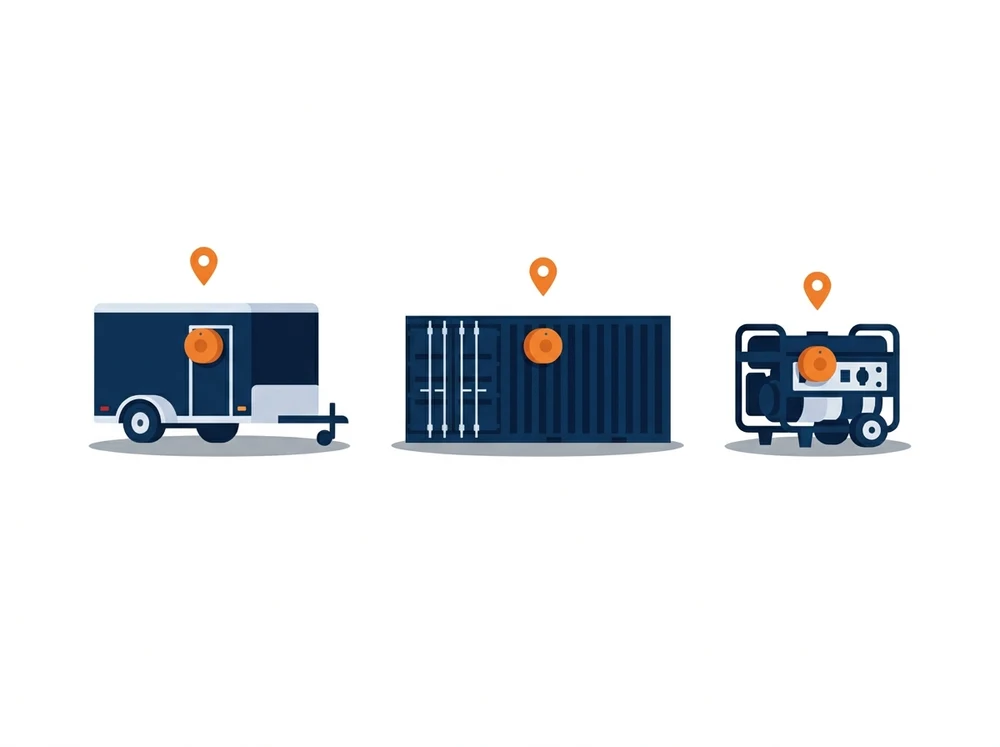
Every week in the UK, an estimated £1 million worth of plant and agricultural machinery is stolen, according to the industry-backed CESAR scheme. Across the construction sector as a whole, theft is reckoned to cost well over £800 million a year once you account for replacement plant, hire of substitute equipment, site damage, project delays and rising insurance premiums. Home Office analysis supporting the Equipment Theft (Prevention) Act put the economic and social cost of organised plant theft at around £675 million a year in today's prices.
Whichever figure you take, the direction of travel is clear: this is organised, professional crime — and it is getting worse, with over 11,000 plant and equipment thefts reported annually and the true figure believed to be far higher.
Why plant is such an easy target
Excavators, dumpers, telehandlers and generators sit on part-secured sites overnight and at weekends, often with universal keys, minimal identification and high resale values here and abroad. Stolen machines can be on a container ship within days. The result: fewer than 10% of stolen plant machines are ever recovered when no tracking device is fitted.
Compare that with tracked assets. Equipment fitted with GPS tracking is typically located and recovered within 24 hours of a theft being reported — before it can be resprayed, stripped for parts or exported. Real-time location data means police can act while the trail is still warm.
What effective plant tracking looks like
Not all trackers are equal. A robust anti-theft tracking strategy for plant and equipment combines:
- Rugged, covert GPS trackers. Battery-powered devices with multi-year battery life that can be hidden deep within a machine, with no wiring to cut and no obvious housing to find. IP-rated for mud, vibration and pressure-washing.
- Geofencing and out-of-hours alerts. Draw a virtual boundary around your site or compound. If an asset moves outside it — or moves at all outside working hours — you and your team are alerted instantly by app, SMS or email.
- Movement and tamper detection. Accelerometer-based alerts flag the moment a "parked" machine starts travelling on the back of a low-loader at 3am.
- Recovery mode. When a theft is confirmed, trackers switch to high-frequency live updates to support police recovery.
- Unpowered asset coverage. Trailers, attachments, site cabins and tool vaults don't have a battery to draw from, so long-life battery trackers (up to 5+ years on a single set) keep even dumb assets visible.
Layer your defences
GPS tracking works best as part of a layered approach, and insurers agree — several major UK insurers offer meaningful plant insurance discounts for machines that are registered and protected. Alongside tracking, the industry-standard advice is to:
- Register machines with the CESAR marking and registration scheme
- Keep an up-to-date, photographed asset inventory
- Secure compounds with physical barriers, lighting and CCTV
- Immobilise machines and control key management
- Train site teams so security is everyone's responsibility
The Equipment Theft (Prevention) Act 2023 will also require immobilisers and forensic marking on new all-terrain vehicles and, potentially, other equipment — a clear signal that Government now treats plant theft as the serious organised crime it is.
How Vision Telematics can help
Vision Telematics supplies rugged GPS asset trackers designed for the realities of construction, agriculture and plant hire — from battery-powered covert units with multi-year life to hard-wired trackers with immobilisation for powered machines. Everything reports into our Find My platform, giving you a single live map of every vehicle, machine, trailer and tool crate you own, with geofencing, out-of-hours alerts and full movement history. Explore the full asset tracking range for devices and specifications.
Sources: CESAR / Datatag; Allianz; Home Office, Equipment Theft (Prevention) Act economic note; industry insurance data.