A bus CCTV system or coach camera system covers the saloon, the doors and the road at once — so a slip on the stairs, a dispute at the entrance, or a collision on route is a matter of record, not a matter of opinion.
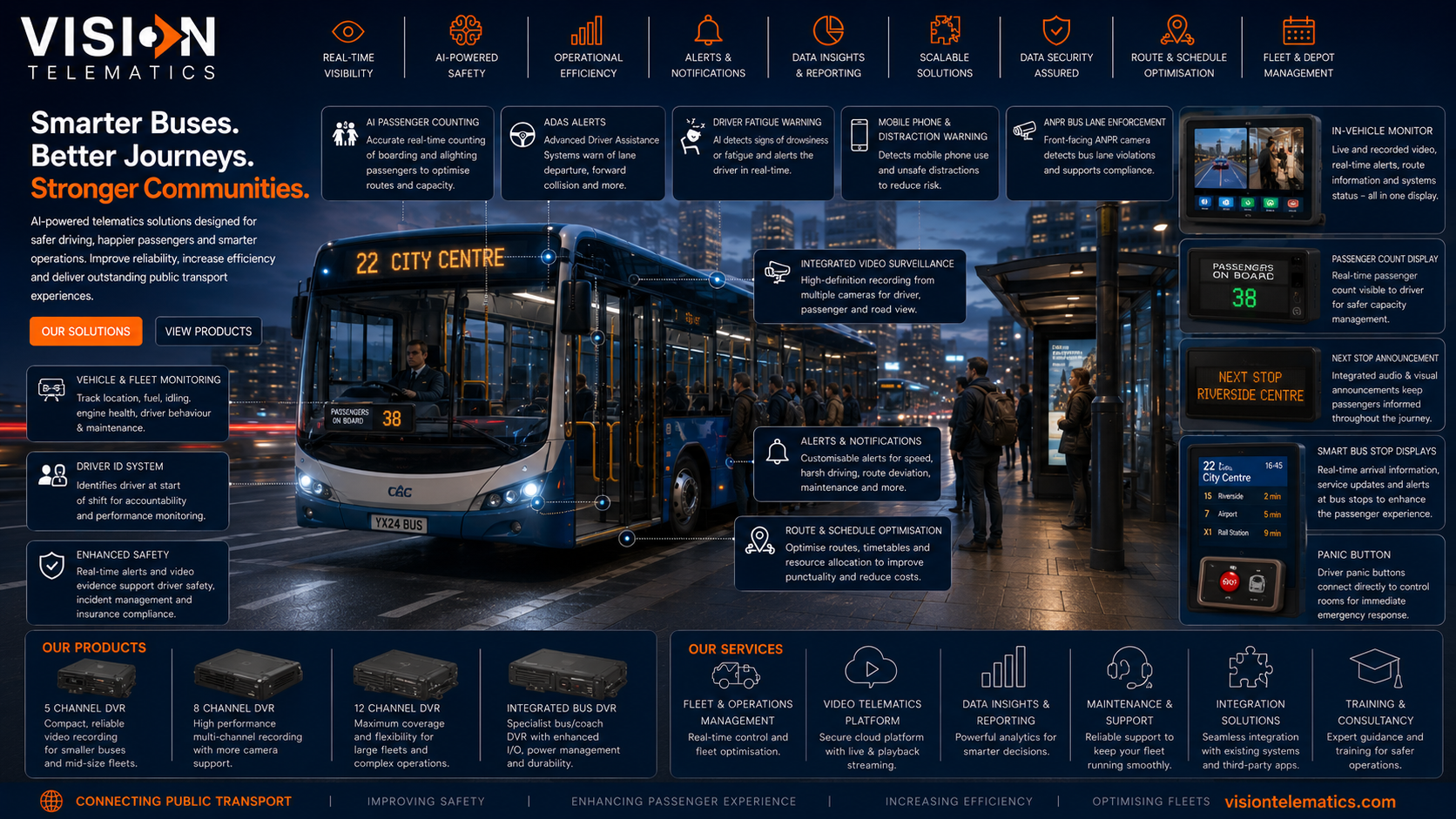
A bus CCTV system (also called a coach camera system or PSV camera system) is a multi-channel recording setup built for passenger service vehicles. Instead of a single dashcam, it combines saloon, entrance, driver-facing and road-facing cameras with an in-vehicle DVR/MDR, so every part of the vehicle — inside and out — is recorded continuously, timestamped and GPS-tagged. For a UK bus or coach operator, that means a passenger fall, an assault, a fare dispute or a road collision all leave the same thing behind: footage, not just an account of what someone thinks happened.
Saloon and entrance cameras cover boarding, alighting and the aisle — so a slip, trip or scuffle onboard has a clear, reviewable record rather than conflicting witness accounts.
Personal injury and public liability claims against bus and coach operators are common and expensive to defend without footage. Timestamped multi-angle recording turns a disputed claim into a fast, evidence-led decision.
Assaults and abuse towards drivers are a recognized risk in passenger transport. A driver-facing camera and cab audio option give drivers a record of incidents and support for any resulting action.
Staged "crash for cash" claims and exaggerated injury claims are harder to sustain once an operator can produce synchronized interior and exterior footage of the moment in question.
Channel count scales with the vehicle — a minibus might run 4 channels, a full-size single or double-decker typically runs 6–8+.
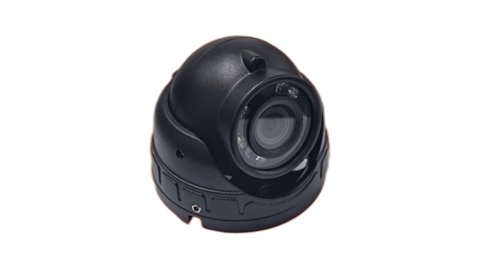
Compact interior dome cameras cover the aisle and seating area — usually two or more on a full-length vehicle for unbroken coverage.
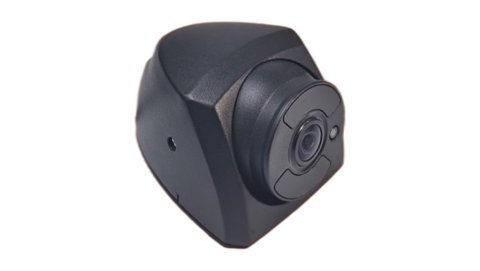
A wide-angle camera at the doors captures boarding, alighting, ticketing disputes and anything left on the step.
Faces the cab to record driver conduct and, where AI fatigue detection is fitted, monitor alertness on long or early-shift routes.
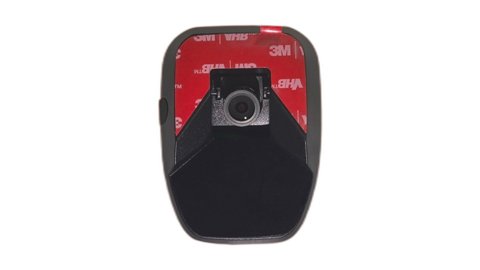
Windshield-mounted ADAS camera recording the road ahead — the primary evidence for collisions, near misses and third-party claims.
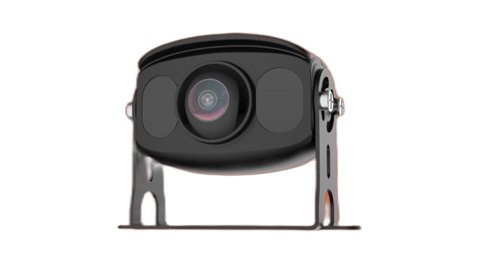
Rear-facing camera for maneuvering in depots and tight turning points, with a monitor feed to the driver's position.
Every channel records on a loop to a lockable SSD or SD card, so there's always a rolling window of footage across the whole vehicle without a driver having to do anything.
4G-connected systems let a control room pull a live view from any camera on a moving vehicle — useful for a welfare check, an in-progress incident, or confirming a route is running as expected.
Harsh braking, impact sensors or a manual panic trigger flag and protect the relevant clip automatically, so key footage isn't overwritten before anyone's asked for it.
Footage can be pulled remotely over Wi-Fi or 4G rather than sending someone out to collect a memory card, so claims and HR teams get what they need in minutes rather than days.
Long coach runs and early-morning school and shift routes are exactly the conditions where driver fatigue builds. Our AI fatigue detection add-on uses the driver-facing camera to spot eye closure, yawning and distraction in real time and alert the driver before it becomes an incident — sitting alongside your existing MDR / DVR multi-camera system rather than replacing it.
PSV operators run under an operator's licence and are expected to keep vehicles roadworthy and maintain records that support incident investigations. CCTV footage isn't a replacement for your maintenance and DVSA compliance processes, but it gives you a timestamped, GPS-tagged record that sits alongside them — useful when investigating an alleged defect-related incident, a passenger complaint, or a collision that a traffic commissioner or insurer wants explained. Exact requirements and expectations vary by operator, route and license type, so treat this as background rather than a compliance checklist, and confirm anything route-specific with your own licensing adviser.
High-frequency urban routes with heavy boarding/alighting cycles, where entrance and saloon coverage matters most.
Long-distance and private hire work, where driver fatigue monitoring and front-facing evidence carry the most weight.
Safeguarding-sensitive routes where saloon footage supports both passenger welfare and conduct incidents.
Accessible and demand-responsive services where footage supports both safety and service-standard reporting.
A multi-camera recording setup fitted to a passenger service vehicle that covers the saloon, entrance doors, driver and the road ahead. Footage records continuously to an onboard DVR/MDR and is timestamped and GPS-tagged, so operators can review exactly what happened at any point on a route.
It depends on the vehicle and route risk profile. A typical layout runs from 4 channels on a smaller vehicle up to 8 or more channels on a full-size coach or double-decker, adding rear-facing, nearside/offside and reversing coverage. Systems are modular, so channel count matches the vehicle rather than being fixed.
Operators can retrieve and export footage on request, subject to their own data protection and retention policy — CCTV footage of identifiable individuals is personal data under UK GDPR, so requests are normally handled through a formal subject access request process rather than ad hoc viewing.
CCTV isn't a substitute for roadworthiness checks, but timestamped footage and event data support the evidence trail operators are expected to keep for incident investigations, alongside your existing maintenance and compliance records. Requirements vary by operator and route, so check current guidance for your license type.
Yes. 4G-connected systems support live streaming from any camera to a control room or authorized device, so an incident, medical event or driver welfare concern can be checked in real time rather than waiting for the vehicle to return to depot.
Talk to our team about camera layout, live streaming, driver safety add-ons and installation for your fleet — hardware, connectivity and support from one supplier. Part codes and pricing are confirmed against your specification [TBC].
See also: MDR / DVR Multi-Camera Solutions · Advanced AI Fatigue Detection · Industries we serve.

 English
 English (US)
 English (AU)
 English (NZ)
 English (SA)
 Français
 Français (CA)
 Italiano
 Deutsch
 Español
 Nederlands
 Português
 Polski
 العربية
 עברית
עברית Svenska
 Dansk
Dansk Suomi
Suomi Norsk
Norsk